How to Invest in Gold in Europe: A Complete Guide to Buy Gold in EU
 Krishna
 Published:
 Updated:
 Read time:8 Minutes
Table of contents
Gold remains a widely used asset for preserving wealth, but how to invest in gold in Europe depends on more than choosing a bar or coin. European investors can access physical bullion, investment coins, exchange-traded products and vaulted gold, each with different costs and risks.
This guide explains the main ways to buy gold across Europe, what to check before buying, how tax and VAT rules can affect your decision, and how to compare options without overpaying.
Is Gold a Good Investment in Europe?
Gold can play a useful role in a diversified portfolio because it behaves differently from many traditional financial assets. Investors often turn to it during periods of inflation, currency weakness, financial uncertainty or market volatility.
For European investors, the gold price in euros is especially important. Currency movements can also change the value of gold for someone whose savings are denominated in euros.
Gold is not a guaranteed source of profit. Its price can rise or fall, it produces no interest or dividend, and physical ownership may involve dealer premiums, insurance and storage costs.
Why European Investors Buy Gold
Common reasons include:
- diversifying beyond stocks, bonds and cash
- preserving purchasing power over the long term
- reducing exposure to a single currency or institution
- owning a tangible asset outside the banking system
- gaining exposure to gold price movements
The right method depends on whether your priority is direct ownership, easy trading, low costs or long-term wealth preservation.
Ways to Invest in Gold in Europe
There is no single “best” method. The most suitable option depends on your budget, investment horizon and whether you want to physically own the metal.
Physical Gold Bars
Gold bars are one of the simplest forms of physical gold investment and are available in many sizes.
Smaller bars make it easier to sell only part of a holding, but they generally carry a higher premium per gram. Larger bars often have a lower premium relative to their gold value, although they require more capital and are less flexible to sell partially.
Before buying, compare the dealer’s selling price with the current spot price of gold. The difference is part of the real cost of entering the investment.
Investment Gold Coins
Bullion coins are another popular option for investors who want physical ownership. Well-known coins can be easier to recognize and resell, while smaller denominations may offer more flexibility than a large bar.
Not every gold coin is primarily an investment product. Rare and collectible coins can carry substantial numismatic premiums unrelated to their gold content. Investors focused mainly on gold exposure should compare widely traded bullion coins and the premium charged above their metal value.
Gold ETCs and ETFs
Investors who want exposure to gold without storing physical metal can use exchange-traded products. In Europe, gold ETCs are especially common because UCITS diversification rules generally prevent a traditional fund from holding only one commodity.
A physically backed gold ETC is designed to track the gold price while trading on a stock exchange like a share. Before investing, check the product structure, custody model, fees and whether it is physically backed.
Owning an ETC offers liquidity and convenience, but it is not the same as personally holding a gold bar or coin.
Vaulted and Digitally Allocated Gold
Another option is professionally vaulted gold. Investors buy gold that is stored by a specialist custodian rather than taking delivery at home.
Allocated gold means specific metal is held for the investor. Before choosing a service, review:
- custody and insurance arrangements
- storage and transaction fees
- audit and reporting procedures
- whether physical delivery is available
Physical Gold vs Gold ETCs: Which Is Better?
The choice depends on your goals.
| Factor | Physical Gold | Gold ETC |
|---|---|---|
| Ownership | Direct ownership | Listed security |
| Storage | Self-storage or vault | Managed within the product |
| Trading | Dealer or bullion market | Stock exchange |
| Costs | Premium, spread, storage | Brokerage and product fees |
| Liquidity | Depends on dealer and product | Usually high during market hours |
| Best for | Tangible long-term ownership | Flexible portfolio exposure |
Physical gold may suit investors who value direct ownership and independence from financial intermediaries. An ETC may be better for those who prioritize easy trading, portfolio rebalancing and lower logistical complexity.
Some investors use both: physical bullion for long-term wealth preservation and exchange-traded exposure for greater flexibility.
What Qualifies as Investment Gold in the EU?
The European Union applies a specific definition of investment gold for VAT purposes. Qualifying investment gold can receive VAT-exempt treatment.
Gold Bar Purity Requirements
Gold bars or wafers generally need a purity of at least 995 parts per 1,000 to fall within the EU investment-gold definition, provided they are of a weight accepted by the bullion market.
Investors should not assume that every product marketed as “pure gold” receives the same tax treatment.
Investment Gold Coin Requirements
For a gold coin to qualify under EU investment-gold rules, it must generally:
- have a purity of at least 900/1000
- have been minted after 1800
- be or have been legal tender in its country of origin
- normally be sold at a price within the permitted premium over its gold value
These rules help explain why recognized bullion coins are often preferred over decorative or collectible coins when the main goal is investment.
Is Investment Gold VAT-Free in Europe?
In the European Union, qualifying investment gold is generally exempt from VAT. The exemption covers the supply, intra-EU acquisition and importation of investment gold that meets the legal definition. This is one reason bullion bars and qualifying investment coins are often more tax-efficient than jewelry for investors.
Jewelry does not normally receive the same treatment because its price includes craftsmanship, design and retail margins in addition to the metal value.
EU vs Switzerland and the UK
“Europe” and the “European Union” are not the same legal market.
Switzerland is outside the EU and applies its own VAT rules. Under Swiss rules, qualifying investment gold with a minimum fineness of 995/1000 can be tax-exempt when it meets the required form and hallmark conditions.
The United Kingdom also has its own rules. Qualifying investment gold remains VAT-exempt in the UK, including eligible bars, wafers and investment gold coins.
Gold Taxes in Europe
VAT at purchase and tax on a gain when gold is sold are separate issues.
Capital gains treatment varies by country, investor status, holding period and the type of gold sold. A product that is VAT-exempt when purchased may still receive different tax treatment when it is later sold.
In the UK, for example, Britannia gold coins and qualifying Sovereigns can receive different Capital Gains Tax treatment from foreign bullion coins or bars because of their sterling legal-tender status.
Because tax rules and personal circumstances differ, check the current rules in your country of tax residence before making a large purchase or sale.
How to Buy Gold in Europe Step by Step
1. Check the Live Gold Price in Euros
Start with the current spot price. It provides a benchmark for comparing dealer offers and calculating how much you are paying above the underlying gold value.
2. Choose Bars, Coins or an Exchange-Traded Product
Decide whether you want direct physical ownership or price exposure through a financial product.
For physical gold, consider resale liquidity and storage. For exchange-traded products, review fees, structure, liquidity and custody arrangements.
3. Compare the Dealer Premium
The dealer premium is one of the most important costs. It can vary according to:
- bar or coin size
- mint or refinery
- dealer inventory
- market demand
- payment and delivery method
Also check the dealer’s buyback price. A low purchase premium is less attractive if the resale spread is unusually wide.
4. Verify the Dealer and Gold Product
Before paying, confirm the seller’s business identity, reputation, payment terms and buyback policy.
For physical bullion, check the refiner or mint, purity, weight, packaging and serial number where applicable. Be cautious of offers priced far below normal market levels.
5. Complete Identity Checks if Required
Identification requirements depend on the country, dealer, payment method and transaction value. Cash purchases may be subject to stricter anti-money-laundering rules than bank transfers or card payments.
Do not choose a dealer simply because it promises anonymous purchasing. For a significant investment, proper documentation can make future resale, insurance and proof of ownership much easier.
6. Keep Your Invoice and Purchase Documents
Keep the original invoice, payment record, packaging and any certificate or assay documentation supplied with the product.
Your records should ideally show:
- dealer information
- purchase date and price
- gold weight and purity
- product or refiner name
- serial number, if applicable
These documents can simplify resale and may also be important when calculating gains or demonstrating the source and ownership of your gold.
How to Choose Gold Bars and Coins
When comparing physical gold products, focus on liquidity and total cost rather than appearance.
Gold Purity
Investment bars commonly sold to retail investors are often marked 999.9, meaning 99.99% gold. However, under EU VAT rules, qualifying investment gold bars and wafers generally require a minimum purity of 995/1000.
A higher purity does not automatically make one product a better investment. Dealer premium, resale spread, recognition and liquidity can be equally important.
Learn more: What is gold purity & how it matters
LBMA-Recognized Refiners
You will often see the term LBMA when researching gold bars.
The London Bullion Market Association maintains the Good Delivery List of refiners that meet its standards. However, investors should understand an important distinction: the formal LBMA Good Delivery gold-bar standard primarily concerns large bars used in the professional London bullion market, typically around 400 troy ounces.
Small 1 g, 10 g, 50 g or 100 g retail bars are not themselves “London Good Delivery bars” simply because their manufacturer is LBMA-listed.
For retail investors, buying products from established and widely recognized refiners can still improve confidence and resale acceptance.
Popular Investment Gold Coins
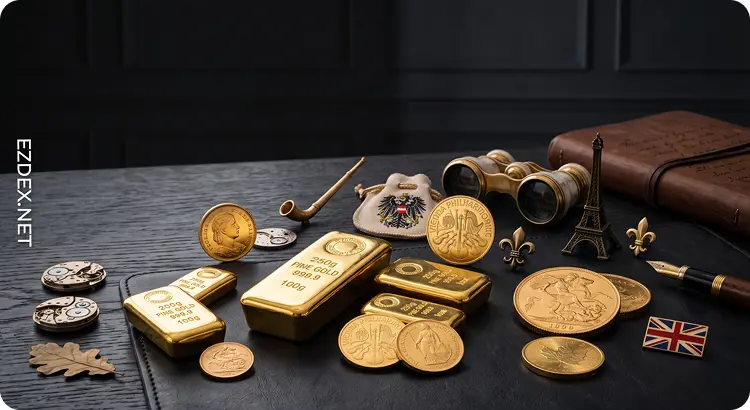
Widely recognized bullion coins can be attractive because dealers across different markets are familiar with them. Common examples include:
- Vienna Philharmonic
- Canadian Maple Leaf
- Britannia
- Krugerrand
Compare the premium rather than assuming one coin is always the best choice. Premiums can change according to availability and local demand.
Where to Buy Gold in Europe
There is no single European country that is always the cheapest place to buy gold. The final cost depends on dealer premiums, spreads, shipping, payment fees, local tax treatment and the product you choose.
Germany
Germany has a large retail bullion market with numerous online and physical dealers. Competition can make it useful for comparing prices across bars and coins.
Switzerland
Switzerland has a long-established precious-metals and private-vaulting industry. It can be attractive to investors interested in professional storage, but Switzerland is not part of the European Union, so its tax and customs rules should be considered separately.
Austria
Austria is particularly relevant to bullion investors because it is home to the Austrian Mint and the internationally recognized Vienna Philharmonic gold coin.
France
France offers access to bullion dealers and a substantial domestic precious-metals market. Before buying primarily for future resale, compare the tax implications with those in your country of residence.
United Kingdom
The UK has a mature bullion market and a wide selection of bars and coins. Since the UK is outside the EU, investors based in the EU should also consider cross-border VAT, customs and delivery implications before purchasing from a British dealer.
Online vs In-Person Gold Buying
Both online and physical dealers can work well for buying investment gold in Europe. The better option depends on pricing, delivery and security.
Buying from a Physical Dealer
Buying in person lets you inspect the product and confirm the dealer’s identity before payment. Physical shops may charge higher premiums, so compare the final price per gram or ounce.
Buying Gold Online
Online dealers make it easier to compare products and premiums. Before ordering, check:
- company and contact information
- insured shipping
- payment fees
- buyback terms
- independent reviews
Avoid unfamiliar sellers offering unusually low prices.
Using a Professional Vault
Professional vaulting may suit investors who do not want to store bullion at home. Check allocation, audits, insurance and whether physical delivery is possible.

How to Store Gold Safely
Home Safe: Keeping gold at home provides direct access and avoids recurring vault fees, but it increases theft risk and may require specialist insurance. Standard home insurance may not cover high-value bullion.
Bank Safe Deposit Box: A bank safe deposit box can reduce home-storage risk, although access and insurance arrangements vary. Confirm whether the contents are insured and to what value.
Professional Bullion Vault: Specialist vaults may provide insurance and audited holdings. Include annual storage fees when calculating long-term costs.
Traveling With Gold Across European Borders
Rules differ depending on whether you travel within the EU or enter or leave the EU.
There is no single EU-wide cash declaration rule for travel between member states. National rules may still apply, so check the customs requirements of your departure, transit and destination countries.
When entering or leaving the EU, travellers carrying €10,000 or more in qualifying “cash” must make a customs declaration. Under EU cash-control rules, this definition includes gold coins containing at least 90% gold and gold bars, nuggets or clumps containing at least 99.5% gold.
Keep invoices and proof of ownership when transporting high-value bullion.
Common Mistakes When Investing in Gold
- Paying Too High a Premium: Compare the premium above spot price and the expected resale spread. An excessive markup can significantly reduce returns.
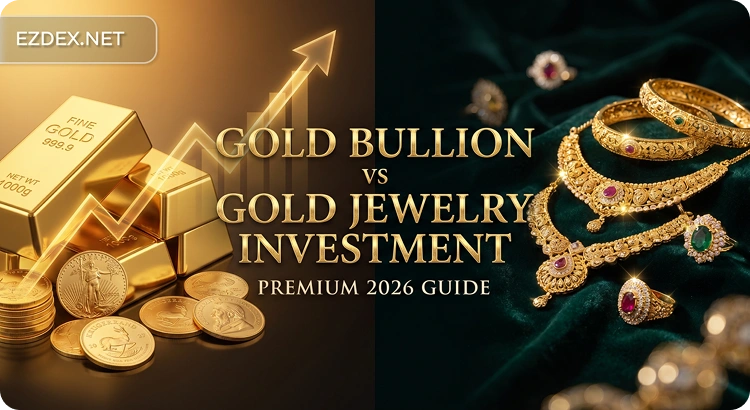
- Buying Jewelry as an Investment: Jewelry may have personal value, but craftsmanship, retail margins and taxes often make it less efficient for pure gold-price exposure.
- Ignoring Storage Costs: Vault fees, insurance and secure delivery can affect long-term returns.
- Overpaying for Collectible Coins: Numismatic coins can trade far above their metal value. Unless you understand collectible pricing, bullion products are usually easier to evaluate.
- Not Checking Tax Rules Before Selling: Tax treatment can vary by country, holding period and product type. Check the current rules in your tax jurisdiction before a large sale.
Is Buying Gold in Europe Worth It?
Buying gold in Europe can make sense for investors who want portfolio diversification, long-term wealth preservation or direct ownership of a tangible asset. Europe also provides access to established bullion markets, internationally recognized refiners, major mints and professional vaulting services.
However, the best option depends on your objective.
Physical bars and bullion coins may be suitable if direct ownership matters most. Gold ETCs can be more practical for investors who want liquidity and easy portfolio management without arranging storage. Professionally vaulted gold can sit between these approaches by providing ownership of physical metal without keeping it at home.
Before investing, compare the live gold price in euros, dealer premium, resale spread, storage costs and applicable tax rules. These costs can have a greater effect on your final return than small differences in the quoted gold price.
Gold can be a useful part of a diversified portfolio, but it should not automatically be treated as a guaranteed safe or profitable investment.
Frequently Asked Questions
Is gold VAT-free in Europe?
Qualifying investment gold is generally exempt from VAT within the European Union. Bars, wafers and coins must meet specific EU requirements to qualify. Jewelry and collectible products do not automatically receive the same treatment.
What is the best way to invest in gold in Europe?
There is no universal best method. Physical gold offers direct ownership, while gold ETCs provide easier trading and eliminate personal storage requirements. Your choice should depend on liquidity needs, costs, investment horizon and preferred level of direct ownership.
Is it better to buy gold bars or coins?
Gold bars often provide lower premiums for larger investments, while bullion coins can offer greater flexibility when selling smaller portions of your holdings. Compare both the purchase premium and resale spread before deciding.
Where is the cheapest place to buy gold in Europe?
No country is permanently the cheapest. Germany, Austria, Switzerland and other established bullion markets can offer competitive prices, but dealer premiums, shipping costs, payment fees, taxes and currency conversion can change the final cost.
Comparing the total purchase price against the current gold spot price is more useful than choosing a country based on reputation alone.
Can foreigners buy gold in Europe?
In many European countries, non-residents can legally purchase investment gold. However, identification requirements, payment restrictions, customs rules and tax consequences can vary according to the country and transaction.
Can I buy gold anonymously in Europe?
Anonymous cash-purchase rules differ across jurisdictions and transaction values. Anti-money-laundering requirements may require dealers to identify customers in certain circumstances.
For substantial investments, proper purchase documentation is generally beneficial for insurance, resale and proof of ownership.
Do I pay tax when selling gold in Europe?
Potential taxation depends on your country of tax residence, the type of gold, purchase and sale price, holding period and personal circumstances. VAT exemption when buying investment gold does not necessarily mean every future gain is tax-free.
Is Switzerland better than Germany for buying gold?
Both have established precious-metals markets. Germany offers a highly competitive retail bullion market, while Switzerland has a strong refining, banking and professional vaulting infrastructure.
Switzerland is outside the EU, however, so EU residents should consider customs and cross-border tax implications before purchasing there.
Can I travel with gold between European countries?
Yes, but reporting requirements depend on your route and the type and value of gold carried. Movement within the EU and entering or leaving the EU are subject to different rules. Always check current customs requirements before travelling with high-value bullion.
Are gold ETCs better than physical gold?
Gold ETCs can be more convenient for trading and portfolio management, while physical gold provides direct ownership without relying on an exchange-traded security.
For some investors, combining both can provide a balance between liquidity and long-term physical ownership.
Latest in Gold Tutorials
All articles in this category