Copper vs Silver: Which Is the Better Investment?
 Krishna
 Published:
 Updated:
 Read time:7 Minutes
Table of contents
When evaluating a copper vs silver investment, the decision depends on more than potential price appreciation. Market volatility, industrial demand, storage costs, liquidity, investment horizons, and global economic conditions all influence the profitability of these metals.
Copper offers direct exposure to infrastructure development, electrification, and industrial growth. Silver, on the other hand, provides exposure to both industrial expansion and precious metal demand, making it an alternative asset for portfolio diversification.
But which metal offers better investment potential, and which one is more suitable for your financial goals?
Copper vs Silver Investment: A Quick Comparison
The following table highlights the key differences between investing in copper and silver.
| Investment Factor | Copper | Silver |
|---|---|---|
| Metal classification | Industrial base metal | Precious and industrial metal |
| Primary demand | Industrial consumption | Industrial and investment demand |
| Physical investment accessibility | Limited | High |
| Storage efficiency | Low | High |
| Physical market liquidity | Relatively limited | Generally high |
| Economic sensitivity | High | High, with additional monetary influences |
| Inflation protection | Indirect | Potential monetary hedge |
| Price volatility | High | High |
| Income generation | None when held physically | None when held physically |
| Growth opportunities | Electrification and infrastructure | Solar energy, electronics, and investment demand |
| Portfolio role | Industrial growth exposure | Precious metal diversification |
Silver is generally more practical for investors who prefer physical ownership, while copper may be attractive to those seeking exposure to long-term industrial expansion through financial instruments.
Neither metal guarantees positive returns, and their relative performance can change significantly throughout economic cycles.
What Is the Difference Between Investing in Copper and Silver?
Although both metals are widely used in manufacturing, their investment characteristics are shaped by different sources of demand and market dynamics.
Copper as an Industrial Metal
Copper is one of the most important raw materials in the global economy. Its exceptional electrical conductivity, durability, and versatility make it essential for construction, power generation, transportation, and telecommunications.
Demand for copper is closely linked to:
- Electrical grid modernization
- Electric vehicle manufacturing
- Renewable energy infrastructure
- Data centers and AI infrastructure
- Residential and commercial construction
Because of its sensitivity to industrial activity, copper is often referred to as Dr. Copper, reflecting its reputation as an indicator of global economic health.
For investors, buying copper-related assets is primarily a way to gain exposure to industrial growth and infrastructure spending.
Silver as Both a Precious and Industrial Metal
Unlike copper, silver occupies a dual position in global financial and commodity markets.
It is widely used in solar panels, electronics, medical equipment, and advanced manufacturing. At the same time, investors purchase silver bars, coins, and exchange-traded products as alternative stores of value.
This combination means silver prices can respond to both industrial expansion and changes in investor sentiment, interest rates, and monetary policy.
Pros and Cons of Investing in Copper
Copper has become an increasingly important investment asset as electrification, infrastructure development, and renewable energy projects reshape global commodity markets. However, its investment potential comes with distinct advantages and risks.
Advantages of Copper Investments:
- Long-term industrial demand: Electric vehicles, power grids, renewable energy systems, and data centers require substantial amounts of copper.
- Supply constraints: Developing new copper mines requires significant capital, regulatory approvals, and years of preparation.
- Exposure to economic growth: Copper prices can benefit from expanding manufacturing activity and infrastructure investment.
- Portfolio diversification: Copper-related assets provide exposure to commodity markets beyond traditional precious metals.
- Multiple investment options: Investors can access copper through exchange-traded products, mining stocks, and commodity futures.
Risks and Disadvantages of Copper Investments:
Copper is highly sensitive to global economic conditions. A slowdown in manufacturing, construction, or infrastructure spending can put significant downward pressure on prices.
Physical copper also has a relatively low value-to-weight ratio, making transportation, storage, and resale less practical for individual investors.
Other risks include mining disruptions, substitution with alternative materials, exchange rate fluctuations, and changes in Chinese industrial demand.
Pros and Cons of Investing in Silver
Silver offers a distinctive combination of industrial applications and precious metal investment characteristics. This dual role creates opportunities but also exposes investors to multiple sources of market risk.
Advantages of Silver Investments:
- Dual demand: Silver benefits from both industrial consumption and investment demand.
- Physical ownership: Silver bars and coins are widely available through bullion dealers.
- Storage efficiency: Silver allows investors to store considerably more value in a smaller physical space than copper.
- Potential inflation hedge: Silver may help preserve purchasing power over certain long-term periods.
- Industrial growth potential: Solar energy, electronics, and advanced manufacturing support silver consumption.
Risks and Disadvantages of Silver Investments:
Silver is not immune to economic downturns. Weak industrial activity can reduce demand, while rising interest rates and a strengthening US dollar may discourage precious metal investment.
Physical silver investors must also consider dealer premiums, bid-ask spreads, storage expenses, insurance, and applicable taxes.
Despite its reputation as a store of value, silver can experience sharp price corrections and extended periods of weak performance.
Copper vs Silver: Historical Returns and Price Performance
Historical performance provides useful insights into how copper and silver respond to different economic conditions. However, comparing their returns requires consistent time frames, currencies, and pricing benchmarks.
Copper typically benefits from periods of strong industrial expansion, while silver can experience substantial rallies when industrial demand and precious metal investment demand rise simultaneously.
Neither metal consistently outperforms the other across every market cycle.
Historical Price Performance
According to the World Bank Commodity Markets data, investors should compare percentage price changes rather than nominal prices, since copper and silver are traded using different measurement units.
Volatility and Investment Risk
Both metals can experience substantial price swings. Copper is particularly sensitive to industrial cycles, whereas silver responds to industrial conditions and speculative investment flows.
Which Metal Performs Better During Inflation and Recessions?
Silver may benefit from demand for tangible assets during inflationary periods, while copper can perform well when inflation accompanies strong industrial growth.
During recessions, both metals may decline. Neither provides guaranteed protection against inflation or economic uncertainty.
What Drives Copper and Silver Prices?
Understanding the factors that influence copper and silver prices is essential for identifying investment opportunities and evaluating market risks.
Although both metals benefit from industrial development, their prices respond differently to technological innovation, monetary policy, and supply disruptions.
Global Industrial Demand
Copper consumption is closely connected to manufacturing, construction, transportation, and electrical infrastructure. When industrial production expands, copper demand generally increases.
China plays a particularly important role in the global copper market. Changes in its manufacturing activity, property market, and infrastructure spending can significantly influence international copper prices.
Silver demand is more diversified, combining industrial consumption with jewelry manufacturing and investment purchases. This broader demand structure creates additional opportunities, although it does not eliminate market risks.
Electric Vehicles, Renewable Energy and AI Infrastructure
The global transition toward cleaner energy and digital infrastructure creates potential growth opportunities for both metals.
| Growing Industry | Copper Applications | Silver Applications |
|---|---|---|
| Electric vehicles | Wiring, motors, charging systems | Electrical contacts and electronics |
| Solar energy | Cables, inverters, power connections | Photovoltaic cells |
| Wind energy | Generators and power transmission | Electrical components |
| AI data centers | Power distribution and cooling systems | High-performance electronics |
| Electrical grids | Transformers and transmission cables | Switches and electrical contacts |
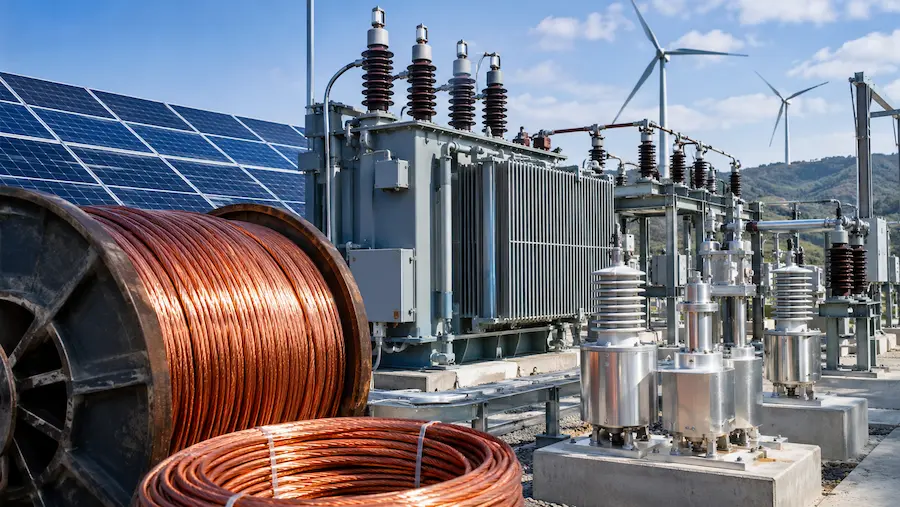
Copper has extensive applications in electrification, while silver's exceptional electrical conductivity makes it valuable in specialized electronic components.
However, technological improvements, material substitution, and more efficient manufacturing processes could moderate future demand growth.
Mining Supply and Market Deficits
Developing new mines is expensive and time-consuming. Declining ore grades, environmental regulations, rising production costs, and permitting delays can restrict the expansion of global metal supply.
Silver faces an additional challenge because much of its production comes as a by-product of mining other metals. Consequently, higher silver prices do not necessarily lead to an immediate increase in production.
Investors can monitor supply developments through reports published by the International Copper Study Group and the Silver Institute.
Persistent supply deficits may support higher prices, but they do not guarantee appreciation.
Interest Rates and the US Dollar
Copper and silver are internationally priced primarily in US dollars. A stronger dollar can make these commodities more expensive for buyers using other currencies, potentially weakening demand.
Silver is also influenced by real interest rates because physical bullion generates no interest or dividends.
Copper tends to respond more directly to the economic consequences of monetary policy, including changes in borrowing costs, construction activity, and industrial investment.
Which Metal Is Better for Short-Term and Long-Term Investing?
The choice between copper and silver depends on your investment horizon, risk tolerance, portfolio composition, and preferred investment method.
Short-Term Investment
Silver can offer short-term trading opportunities due to its sensitivity to monetary policy, investor sentiment, and precious metal market movements. However, these factors can also trigger sharp corrections.
Copper may offer attractive opportunities during periods of accelerating industrial activity, supply disruptions, or stronger-than-expected economic growth.
Short-term investors should pay particular attention to transaction costs, market liquidity, and upcoming economic events.
Long-Term Investment
Copper offers exposure to structural changes in the global economy, particularly electrification, infrastructure modernization, and renewable energy development.
Silver combines industrial growth potential with demand for precious metals, making it attractive to investors seeking exposure to multiple market drivers.
The more suitable choice depends on whether investors prioritize industrial growth or a combination of industrial and monetary demand.
Portfolio Diversification
Holding both metals may provide exposure to different sources of demand. However, their prices can still decline simultaneously during economic downturns.
Investors should evaluate their combined commodity exposure rather than assuming that holding both metals automatically reduces portfolio risk.
Final Verdict: Should You Invest in Copper or Silver?
Silver is generally the more practical choice for investors seeking physical ownership, easier storage, and access to established bullion markets.
Copper may be more suitable for investors seeking long-term exposure to industrial expansion, electrification, and infrastructure development through financial instruments.
Ultimately, the best investment is not necessarily the metal with the greatest price appreciation potential, but the one that aligns with your financial objectives, investment horizon, and tolerance for risk.
Before making a decision, explore the latest metal market trends, exchange rates, and commodity analysis on EZDEX to make more informed investment decisions.
This article is for informational purposes only and does not constitute financial or investment advice.
Frequently Asked Questions
Is copper a better investment than silver?
Copper may outperform silver during periods of strong industrial growth. However, silver is generally more practical for physical investors and benefits from both industrial and precious metal demand.
Is copper worth buying and holding?
Copper may offer long-term growth potential due to electrification and infrastructure demand. However, physical ownership can involve substantial storage costs, retail premiums, and resale limitations.
Is silver more volatile than copper?
Silver can be more volatile during certain periods because its price responds to both industrial demand and investment flows. Relative volatility depends on the time frame and market conditions.
Can copper outperform silver in the long term?
Yes. Strong industrial demand and persistent supply constraints could allow copper to outperform silver. However, future performance remains uncertain.
Which metal is a better hedge against inflation?
Silver has traditionally been considered a potential inflation hedge because of its precious metal characteristics. Copper may also benefit when inflation is associated with strong economic activity. Neither guarantees inflation protection.
Should I invest in both copper and silver?
Holding both metals can provide exposure to different economic and industrial trends. However, investors should consider their overall portfolio allocation and exposure to commodity market risks.
Latest in Silver Guides
All articles in this category